Are Synthetic Fibers More Cost-Effective Than Natural Fibers? A Review of Prices and Benefits
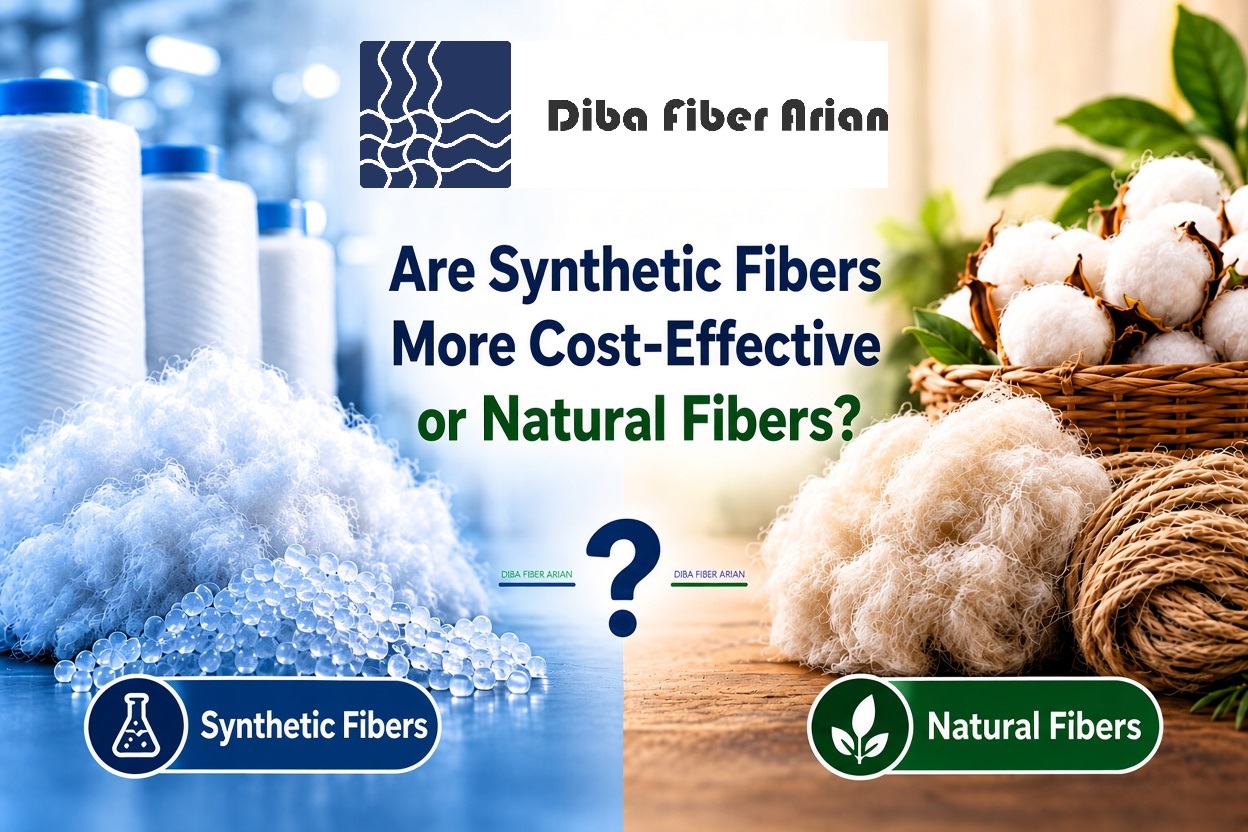
An economic comparison between synthetic and natural fibers considers factors such as price, production cost, durability, and application. Due to mass production, competitive pricing, good durability, and high versatility, polyester synthetic fibers are considered a cost-effective option across many industries. Purchasing synthetic fibers in bulk can also reduce raw material and supply chain costs. Furthermore, the availability of hollow, solid, and recycled polyester fibers enables manufacturers to meet a wide range of production requirements. Overall, for mass production and price-sensitive projects, polyester synthetic fibers often prove to be a more economical and practical choice than natural fibers.
In the textile industry, choosing the right type of fiber is one of the most important decisions, as it can directly affect product quality, production costs, and ultimately the final price of the product. Today, the two main groups of fibers used across various industries are natural fibers and synthetic fibers. Natural fibers such as cotton, wool, linen, and silk are obtained from natural sources, while synthetic fibers are produced through chemical processes using petrochemical-based or recycled raw materials.
In recent years, the use of synthetic polyester fibers has grown significantly due to their affordable price, high versatility, considerable durability, and suitability for mass production. However, an important question remains: Are synthetic fibers really more cost-effective than natural fibers?
Below, we will examine the production costs, purchase prices, durability, applications, and other characteristics of these two groups to determine which option is more economical for manufacturers and buyers.
What Are Synthetic Fibers?
Synthetic fibers are a group of fibers that, unlike natural fibers, are not obtained directly from plants or animals. Instead, they are manufactured in factories through industrial processes. Polyester is one of the most widely used types of synthetic fiber and is used in the production of clothing, bedding, furniture, carpets, industrial textiles, and many other products.
Comparing Costs: Production Costs and Synthetic vs. Natural Fibers
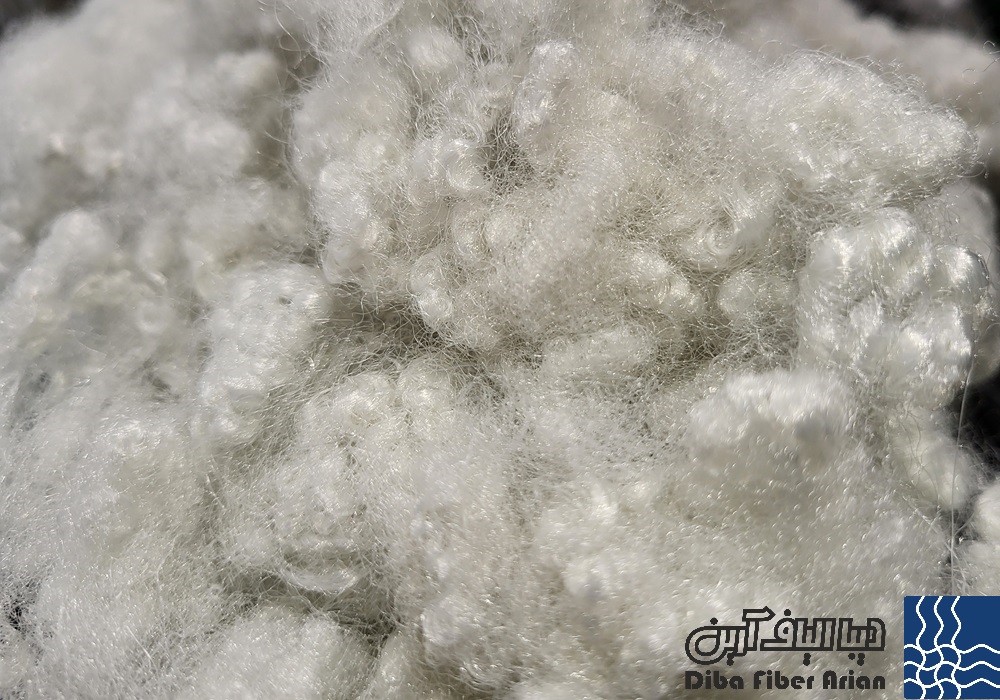
Polyester is produced through controlled chemical processes that are entirely industrial. In this process, petrochemical raw materials are converted into fibers in large-scale factories using advanced technologies. This production method allows for precise quality control, product consistency, and a significant reduction in unit costs.
By contrast, the production of natural fibers faces several limitations. Cotton requires enormous areas of agricultural land, substantial amounts of water—sometimes several thousand liters to produce one kilogram of cotton—and considerable human labor. Weather fluctuations, plant pests, and high irrigation and harvesting costs all affect the final cost of cotton production.
Wool is also dependent on livestock farming. Raising sheep, providing veterinary care, feeding the animals, maintaining suitable climatic conditions, and carrying out the complex processes of shearing and wool preparation all increase production costs.
Silk is even more expensive because its production requires silkworm farming, specialized feeding with mulberry leaves, and manual or semi-manual processes for extracting the silk thread, all of which are both time-consuming and costly.
According to market analyses and industrial data, the production cost of one kilogram of synthetic polyester fiber is generally 30% to 50% lower than that of high-quality cotton and significantly lower than that of wool and silk. This price difference becomes even more noticeable when purchasing in bulk.
Manufacturers and factories looking to purchase synthetic fibers in large quantities can benefit from significant discounts, flexible payment terms, and reduced logistics costs by placing large orders. This competitive advantage has encouraged many clothing brands and textile manufacturers, particularly in price-sensitive markets, to make extensive use of polyester.
Durability and Lifespan: The Hidden Factor in Cost Savings
Cost-effectiveness is not determined solely by the initial purchase price. A product with a longer lifespan can ultimately lead to greater savings.
Imagine two products made from two different types of fibers. One has a higher initial raw-material cost, while the other offers greater resistance to washing, abrasion, and repeated use.
In such a situation, the more durable product can result in lower costs for the consumer over its lifetime.
These characteristics mean that polyester is not chosen solely because of its low price; durability and the total cost of the finished product also play a significant role in the decision to use it.
Economic Benefits of Purchasing Synthetic Fibers in Bulk
One of the greatest advantages of synthetic fibers is the ability to purchase them as bulk synthetic fibers. Large polyester manufacturers can supply thousands of tons of products with consistent quality and competitive pricing.
This scalability is much more limited in the case of natural fibers because agricultural and livestock production is subject to natural constraints.
One of the most important advantages of synthetic fibers is that they can be manufactured on a very large scale with relatively consistent quality. This makes the supply of raw materials easier for factories and manufacturers and reduces the impact of natural factors such as weather conditions, drought, and agricultural yields.
Those looking for a competitive synthetic polyester fiber price generally purchase through direct suppliers or bulk importers. This approach eliminates intermediaries and can significantly reduce costs.
In addition, long-term price stability in the synthetic fiber market is generally greater than that of natural fibers, which are affected by drought, plant diseases, and fluctuations in the global cotton market.

Comparing Natural and Synthetic Fibers in Terms of Applications and Final Costs
In sportswear and everyday clothing, synthetic fibers often offer better performance due to their quick-drying properties, lightweight nature, and resistance to wrinkling, while also resulting in lower maintenance costs.
In home textile products such as pillow and mattress fillings, a combination of hollow fibers and solid fibers makes it possible to produce high-quality products at reasonable prices.
Natural fibers may be preferred for certain luxury applications, such as formal clothing or organic products. However, even in these cases, the final cost to consumers is generally higher.
For mass-market products and high-volume production, synthetic fibers are difficult to match in terms of cost efficiency.
Synthetic or Natural Fibers: Which Is the Better Choice?
After considering various factors, it can be concluded that the choice of fiber should be based on the specific application and the manufacturer’s requirements. However, from an economic perspective and in terms of total production costs, synthetic polyester fibers offer significant advantages over natural fibers in many industrial and manufacturing applications.
Their ability to be produced on a large scale, competitive pricing, wide range of applications, suitable durability, availability in different forms such as hollow and solid fibers, and the development of products such as recycled synthetic polyester fibers have made polyester one of the primary choices in the textile industry.
Furthermore, the ability to purchase synthetic fibers in bulk can reduce raw-material costs for manufacturers and simplify supply-chain management.
Therefore, if the main criteria are cost-effectiveness, production cost control, and access to raw materials in large quantities, it can be concluded that synthetic fibers—particularly synthetic polyester fibers—are, in many cases, a more economical and cost-effective choice than natural fibers.
Of course, the best choice always depends on the type of product, the expected quality, and the production budget. However, for mass production and projects where the final product cost is a major consideration, polyester is considered one of the most economical options available in the fiber market.
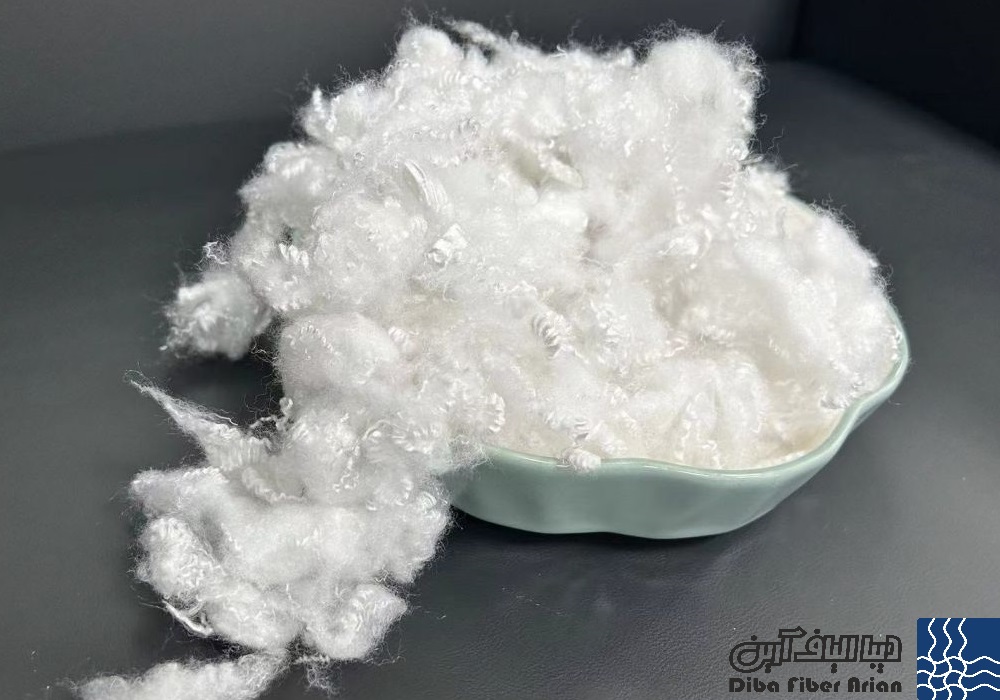
Diba Alyaf Arian (Diba Fiber Arian)
Diba Alyaf Arian is one of Iran’s leading and reputable manufacturers in the textile industry. The company began its operations in 2005 (1384 in the Iranian calendar).
Using modern machinery and up-to-date equipment, the company manufactures high-quality hollow and solid fibers. One of Diba Alyaf Arian’s key strengths is its simultaneous production of recycled synthetic polyester fibers and virgin synthetic polyester fibers.The company’s team of specialists and well-equipped quality-control laboratory give customers confidence in selecting its products. In addition, short order-delivery times and price stability have made Diba Alyaf Arian a reliable business partner for both domestic and international customers.