




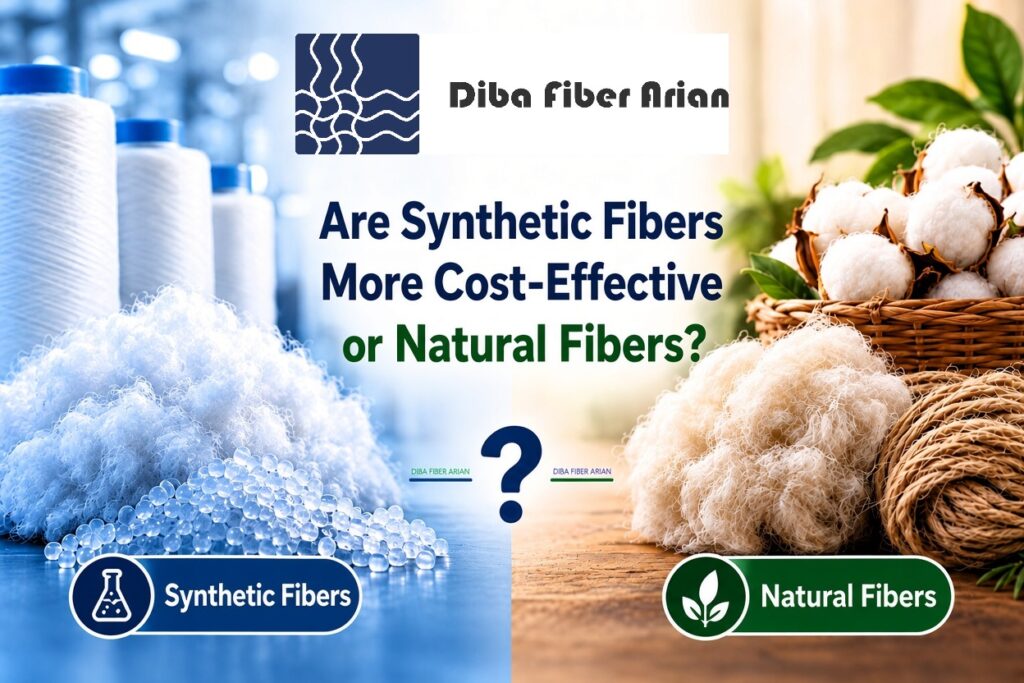
Are Synthetic Fibers More Cost-Effective Than Natural Fibers? A Review of Prices and Benefits
An economic comparison between synthetic and natural fibers considers factors such as price, production cost, durability, and application.
Due to mass production, competitive pricing, good durability, and high versatility, polyester synthetic fibers are considered a cost-effective option across many industries.
Purchasing synthetic fibers in bulk can also reduce raw material and supply chain costs.
Furthermore, the availability of hollow, solid, and recycled polyester fibers enables manufacturers to meet a wide range of production requirements.
Overall, for mass production and price-sensitive projects, polyester synthetic fibers often prove to be a more economical and practical choice than natural fibers.
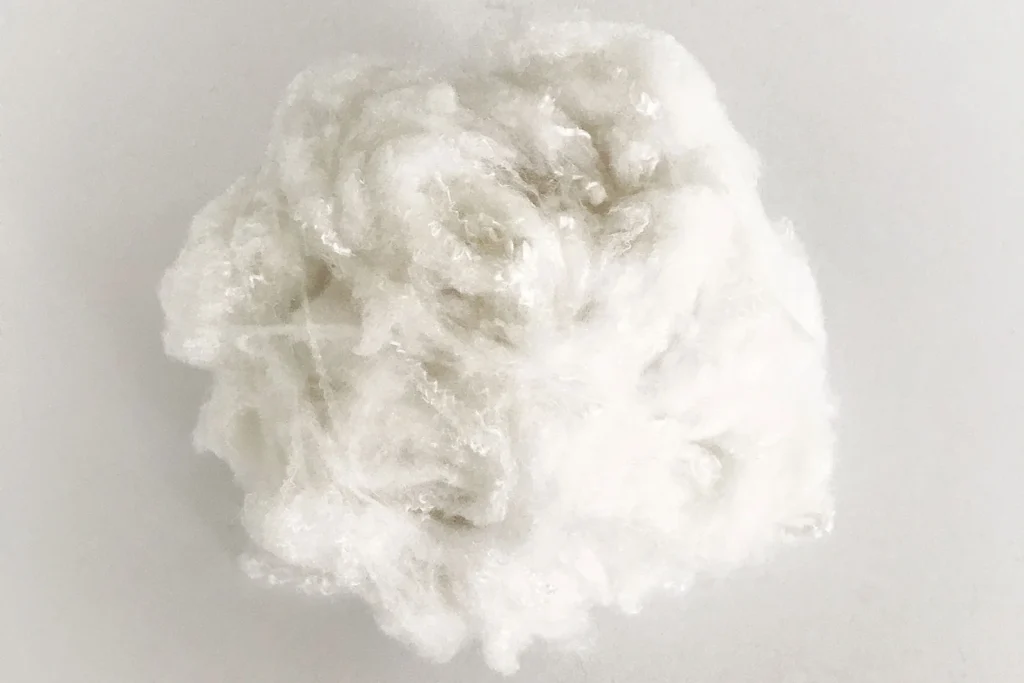
Price of Polyester Fiber in Iran
The price of synthetic fiber in Iran depends on factors such as raw material costs, production and energy costs, transportation costs, market demand, competition among manufacturers, the quality of the fiber
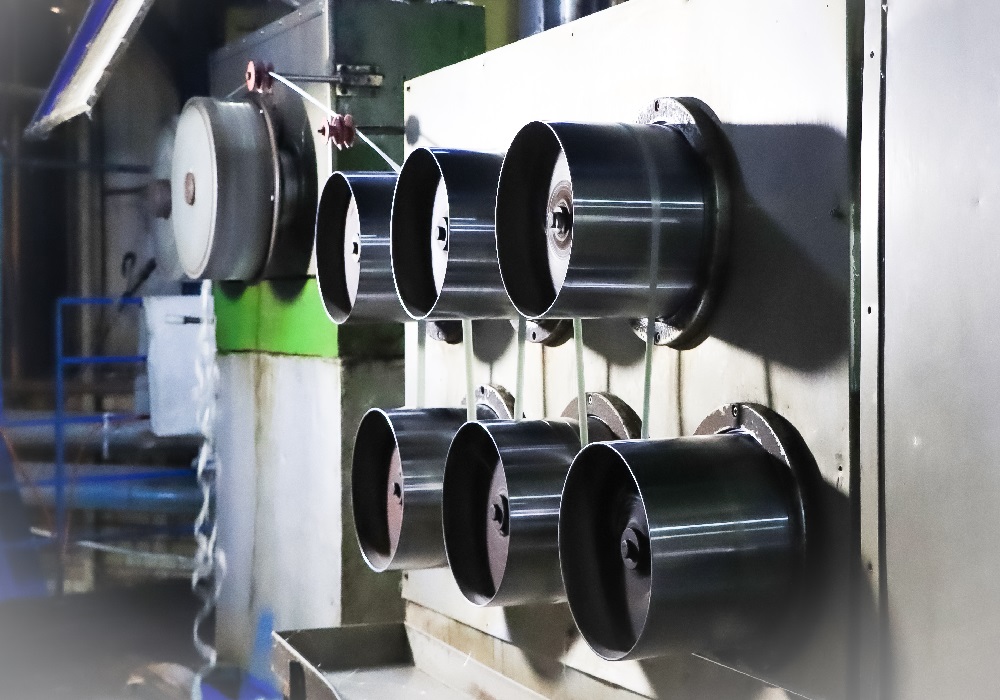
Polyester Fiber Manufacturer in Iran
The production of synthetic polyester fiber has been started in Iran for a long time and has become an important industry. Stay with us in the future…
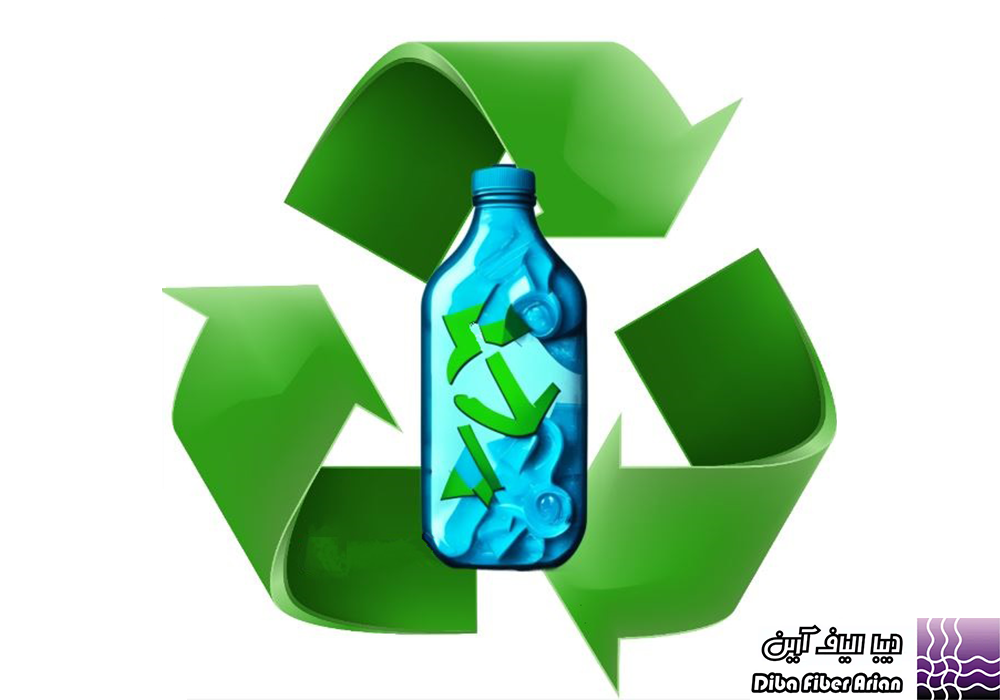
Recycling industry and recycled materials
It is no secret that the world population is increasing at a remarkable rate every day, and due to the limited natural resources of the earth to meet our needs, we must look for logical and scientific solutions to reuse old and second-hand goods in order to avoid Increasing global warming, we should also prevent the loss of raw materials. One of the solutions to this problem is the reuse of polymer materials and goods such as PVC and polyethylene terephthalate (the raw material for making PETs)

Pet Flakes
Flake or Hot Wash Flakes is a substance that comes from recycling PET bottles. In this way, after separating from food and waste, They will be crushed and finally turned into flakes.
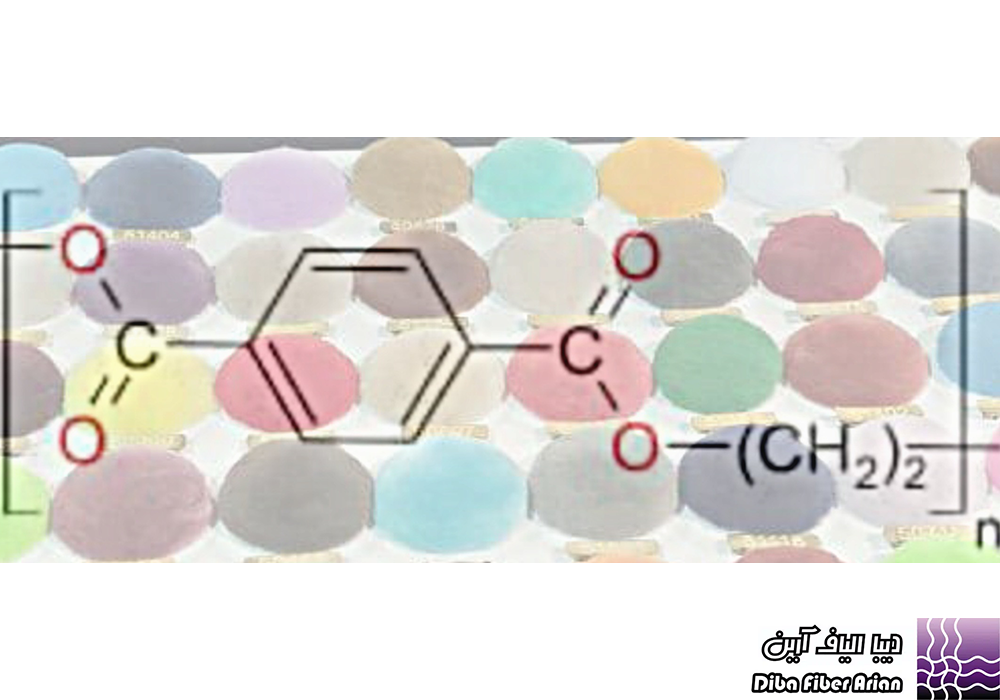
Kinds of Polyester
Polyethylene polyester is often called polyethylene terephthalate (PET). In the polyester market, this type of polyester is the most common type of polyester. Ethylene polyester is made from petroleum raw materials.